
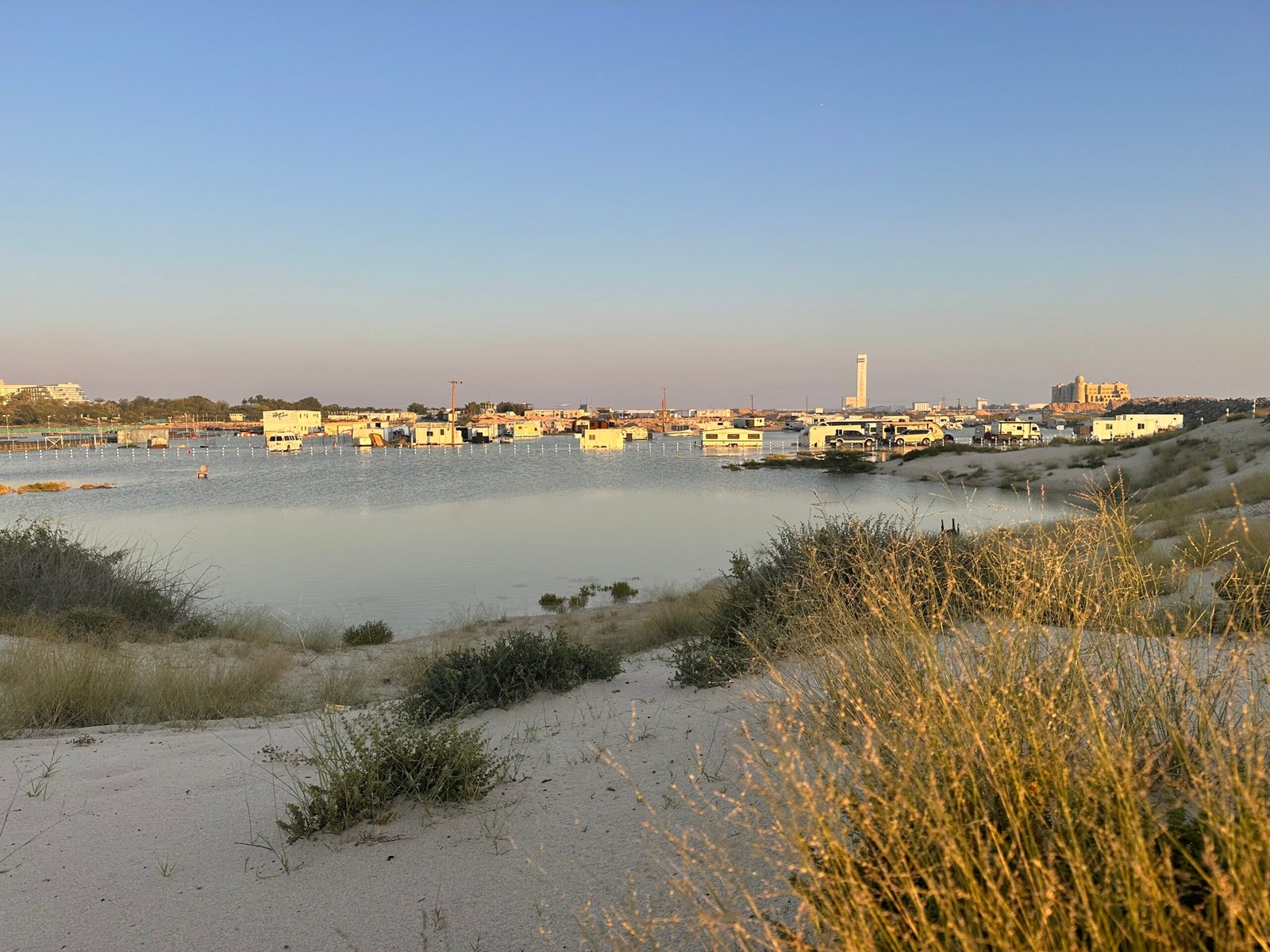
It happens every year. The forecast shows rain, parents scramble to find umbrellas that actually open, and kids arrive at school either soaked or wrapped in bin bags because nobody owns proper rain gear in a desert city. Then the rain stops, everyone forgets, and the cycle repeats the following winter.
In Dubai, rain is rare enough that investing in full waterproof wardrobes feels silly, but frequent enough (especially between December and March) that being caught unprepared gets old fast. The good news is you do not need much. A few key items, stored somewhere you can actually find them, will cover most situations without turning into wasted cupboard clutter.
What rain in Dubai actually looks like
Dubai rain is not the gentle drizzle you might know from other places. When it rains here, it tends to pour, and roads flood, school pickup becomes chaotic, and the walk from the parking lot to the mall entrance suddenly matters. Most rain events are short, maybe an hour or two, but intense enough to soak you thoroughly if you are outside without cover.
This means you need gear that handles sudden heavy rain, not gear designed for all-day hiking in misty mountains. Packable items that live in your car or school bag work better than bulky jackets that sit forgotten in wardrobes. Quick-drying materials are more useful than heavyweight waterproofing. And for kids, anything that they can put on themselves, without zips that stick or buttons they cannot manage, will actually get used.
For kids: what to look for
A lightweight rain jacket with a hood is the single most useful item. Look for something that packs into its own pocket or a small pouch, so it can live in their school bag year-round without taking up much space. Velcro or snap closures work better than zips for younger children, and elasticated cuffs help keep sleeves from riding up. Bright colours or reflective strips are a bonus for visibility on grey, rainy school mornings.
Waterproof trousers or splash suits are overkill for most Dubai situations. Kids usually get caught in rain between the car and a building, not while trudging through fields. If your child walks to school or waits at outdoor bus stops, a longer rain jacket that covers to mid-thigh offers more protection than standard waist-length styles, without the hassle of separate trousers.
For shoes, waterproof trainers or slip-on boots that can live in the car are practical. During rainy season, keeping a spare pair in the boot means wet feet at drop-off do not turn into uncomfortable wet feet all day. Some parents swear by shoe covers, the reusable silicone kind that stretch over regular trainers. They pack small and keep shoes dry, though getting kids to actually wear them is its own challenge.
For adults: practical picks
A compact umbrella that actually opens when you need it should live in your car or bag permanently. Test it before you need it. The number of umbrellas that have rusted shut or jammed after sitting unused for eleven months is embarrassing. Golf-size umbrellas offer more coverage for walking with kids, but they are bulkier to store. A good mid-size travel umbrella with a wind-resistant frame handles most Dubai downpours without flipping inside out.
A lightweight waterproof jacket, ideally one that folds into a pocket, is worth having even if you rarely wear it. The mornings when you do need it (rushing to the office from outdoor parking, caught at a sports event when the sky opens up) make it worth the minimal storage space. Look for sealed seams and a hood that adjusts, since rain plus wind is the combination that gets water down your neck.
Where to store it all
The boot of your car is the most practical spot. Rain in Dubai tends to arrive when you are out, not when you are at home with time to prepare. A small bag with the family rain gear, including spare socks for the kids, means you are covered whenever the weather turns. Check it at the start of each winter to make sure nothing has mildewed or been borrowed and not returned.