
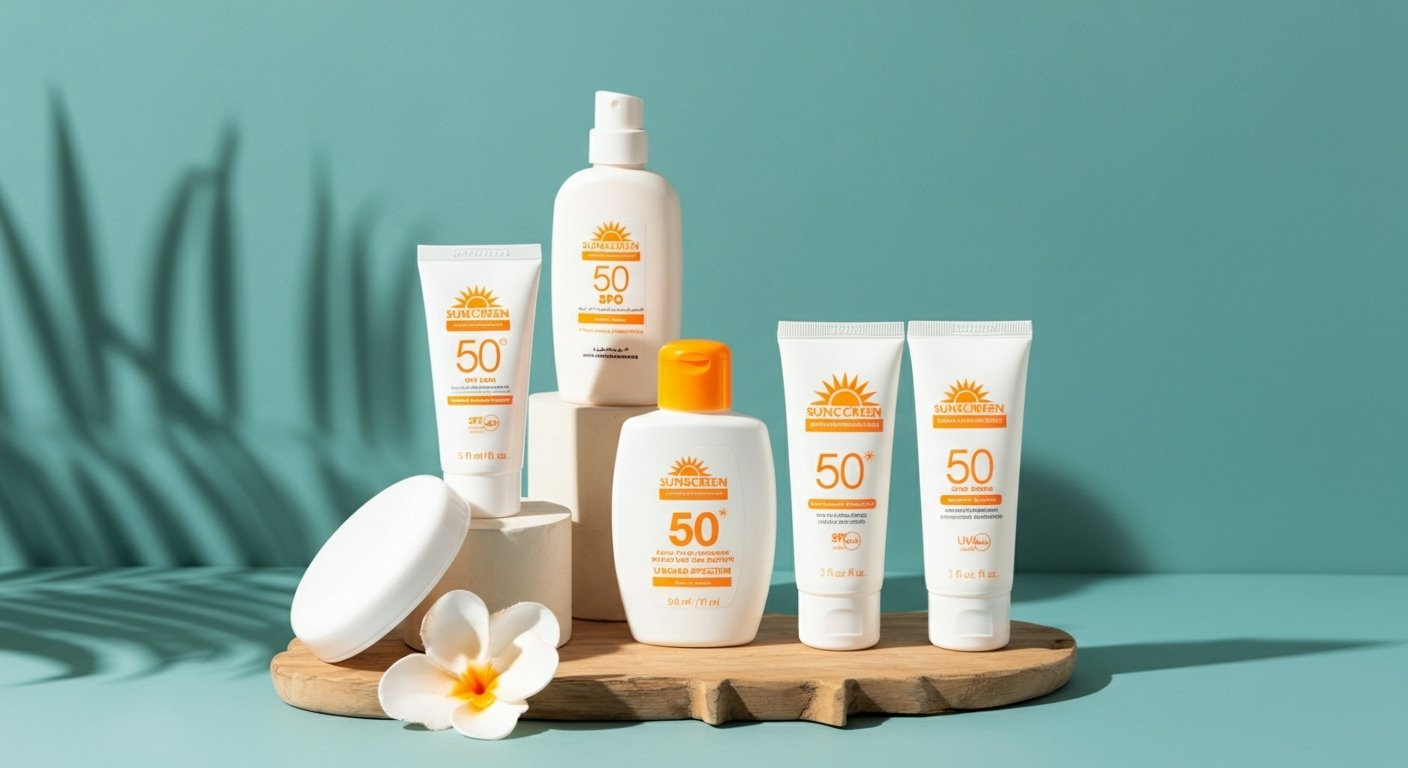
Dubai sun is not the same as “nice weather” sun. Even on a school morning when it feels mild, UV can be strong enough to turn a quick walk into a surprise burn. The problem is that sunscreen shopping gets expensive fast, and lots of families either under-apply to make bottles last longer, or they buy something that feels greasy so the kids refuse it. The good news is that you can make sunscreen work better (and last longer) with a few practical choices, without turning it into a whole routine.
The most common mistake: using too little
Most people apply a thin layer because they are trying to avoid stickiness or save money. That is understandable, but it reduces protection. If you want a product to last, the fix is not skimping. The fix is choosing a formula you can apply properly without a fight. For kids, that usually means a lighter lotion or gel texture that spreads easily. If your child complains it “stings”, consider switching away from heavily fragranced formulas, especially near the eyes.
SPF and broad spectrum: what to look for on the label
For everyday Dubai life, most families aim for SPF 30 or higher, and broad spectrum protection (UVA and UVB). If the label clearly mentions UVA protection (often shown as “UVA” in a circle or a PA rating), that is useful for longer days out. You do not need the most extreme option for every situation, but you do want something you trust enough to reapply on beach days, outdoor birthday parties, and long afternoons at the park.
Water-resistant is for pool days, not just swimming lessons
In Dubai, “water” is also sweat. If you are doing anything outside where kids are running around, a water-resistant sunscreen can hold up better. It still needs reapplication, but it is less likely to melt off immediately. Keep a small bottle in your bag for weekends. For school days, a lighter daily sunscreen can be more comfortable, especially under uniforms and straps.
Stick, spray, or lotion: the real-life pros and cons
Lotion is usually the best value and easiest to apply evenly. It is also the easiest to explain to a nanny or a grandparent helping with school mornings.
Sticks are great for quick top-ups on cheeks, noses, and the back of the neck, and they are less messy in the car. They can be more expensive per use, but they are handy when kids refuse “more cream”.
Sprays feel convenient but are easy to apply unevenly if you rush. If you use a spray, spray it into your hands first and then rub in, especially for faces. That gives more consistent coverage and reduces the chance of getting it in eyes.
The budget move that works better than buying the most expensive bottle
If you are trying to spend less, pair sunscreen with two physical blockers: a good cap and lightweight sleeves. A simple brimmed hat can reduce how much sunscreen you need on the face, ears, and neck. For toddlers, rash vests at the pool are the best value item in the whole sunscreen conversation. You use less product, reapply less often, and the protection is consistent even when they are in and out of water.
What to pack for a Dubai weekend day out
Keep it simple: one larger family bottle at home, and one smaller bottle in your going-out bag. Add a stick sunscreen for quick touch-ups, plus a cap for each child. If you are going to the beach or a waterpark, bring a change of clothes and a small towel so you can reapply on dry skin. Trying to apply lotion onto wet, sandy skin is when everyone gets annoyed and you end up skipping it.
Quick FAQs
Do I need a separate sunscreen for face and body?
Not necessarily. If a single product is comfortable and does not sting, that is often easiest. Some people prefer a lighter face formula for daily use.
How often should I reapply?
Follow the product instructions. For outdoor days, plan to reapply regularly, especially after swimming or heavy sweating.
What if my child refuses sunscreen?
Try a different texture, use a stick for quick touch-ups, and lean on hats and rash vests so the protection does not rely on a perfect application every time.