
Quick note before you buy
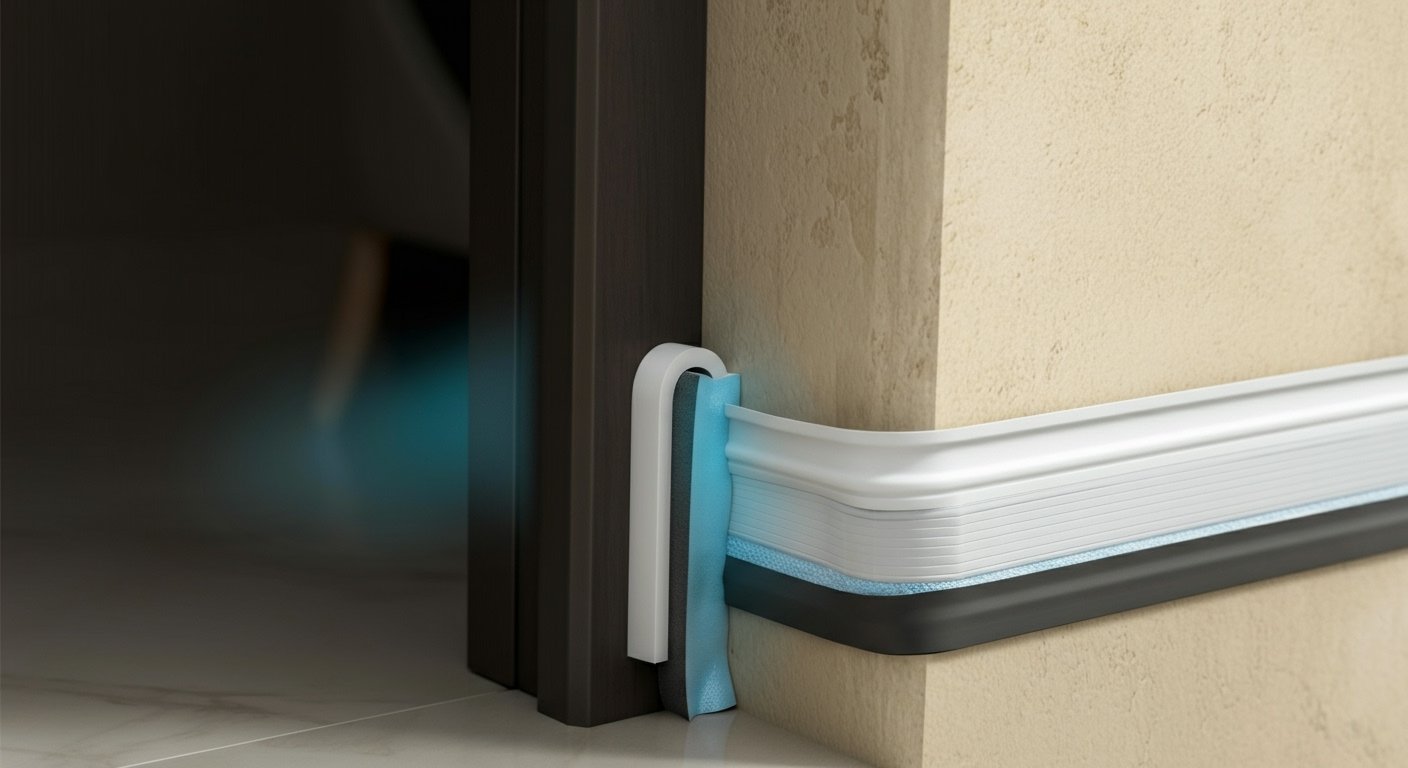
In Dubai, a lot of us end up buying extra fans, extra AC filters, and even humidifiers, but the small thing that often helps most is simply sealing the room properly. Weather stripping is one of those boring, low-cost fixes that makes your home feel noticeably calmer: less hot air sneaking in around the door, fewer dusty drafts, and fewer insects finding their way indoors. The best part is you do not need special tools or a handyman for most apartments.
This guide is for the everyday Dubai setup: a main entrance door that has a tiny gap at the bottom, balcony doors that whistle when the wind picks up, and bedroom doors that never quite shut tightly once kids start slamming them. I will keep it practical, explain what types actually work here, and call out the common mistakes that waste money.
The 60-second test: where is the air coming from?
Before you buy anything, do a quick check so you do not end up sticking foam in the wrong place. Close the door and look for light around the frame. Run your hand slowly along the edges (top, sides, and bottom) and see where you feel movement. If you have a balcony door, stand near the latch side and the bottom corners because those are the usual leak points. If you notice dust collecting in one strip on the floor, that is often a clue that air is pulling in from the same edge every day.
It helps to separate two issues. One is air leaks, which weather stripping can fix. The other is a door that is out of alignment or a latch that is not pulling the door tight, which weather stripping will not solve on its own. If your door visibly rubs the floor or needs a hard push to lock, start with alignment and then add stripping as the finishing touch.
What actually works in Dubai apartments (and what to skip)
For the sides and top of the door: look for EPDM rubber or silicone strips with a strong adhesive backing. These stay flexible longer in heat and do not crumble the way cheap foam can. If you live in an older building where the frame has uneven gaps, a D-shape or P-shape profile is usually easier than a very thin flat strip because it compresses without leaving holes. If the gap is tiny and you just want a light seal, a thin silicone strip can be enough.
For the bottom gap: a door sweep or a proper bottom seal beats a stick-on foam strip almost every time. The bottom is where sand and dust love to creep in, and foam gets shredded quickly when it drags. A simple adhesive door sweep is fine for rentals, and a screw-on sweep is more durable if you are allowed to drill. If your building has a small step at the entrance, choose a sweep that can handle that change in level without folding over.
For sliding balcony doors: use brush-style seals designed for sliding tracks. They reduce rattling and drafts without making the door hard to slide. Avoid thick foam that will catch and peel as the door moves. If the track is dusty, clean it first, otherwise even good seals will fail because the door does not sit properly.
What to skip: very soft open-cell foam in the cheapest packs. It looks fine on day one, then compresses permanently and you are back to square one. Also skip anything that smells strongly chemical out of the pack, especially if you have kids or pets that will be near the door at floor level.
Picking the right thickness (the detail most people get wrong)
Most weather stripping fails because it is either too thin to touch the door, or too thick and it stops the latch from closing properly. The sweet spot is a strip that compresses when the door closes, but does not require you to slam the door to lock it. If you are unsure, buy two widths of the same material and test a short section first (10 to 20 cm) before committing around the whole frame. If the adhesive is strong, you can still peel it carefully and reposition, but it is much easier to test early than to fight a full frame that will not close.
If you live in a rental, think about removability. Silicone and EPDM with good adhesive can still come off cleanly, but only if the surface is properly cleaned first and you do not bake it in place for years. For a quick fix, a removable door snake can help at the bottom, but it does not replace a real seal when you are trying to cut dust and keep insects out.
How to install it so it stays put
Clean the frame properly. In Dubai, the invisible layer is often a mix of fine dust and cleaning product residue, and that is what makes strips peel. Wipe with a mild degreaser or rubbing alcohol on a cloth, then let it dry fully. Do not stick the strip onto a damp surface or right after mopping when the air is humid. Cut with sharp scissors so the ends meet neatly, and press firmly along the whole length, not just the corners.
For bottom sweeps, check the clearance. If the sweep drags heavily, it will peel off fast. If it floats above the floor, it will not block dust. A good compromise for most flats is a sweep that lightly brushes the floor and compresses a little when the door is closed. If you have tiles and the gap changes slightly across the width, choose a flexible sweep rather than a rigid one.
When weather stripping is not enough
If you still feel strong drafts after sealing, the issue may be the door itself. Some doors have warped slightly over time or the hinges have loosened. In that case, a simple hinge adjustment or a new latch plate can make a bigger difference than adding more foam. If you are dealing with a balcony door that does not lock tightly, look at the latch alignment and the rollers first. Sealing a door that is not closing correctly is frustrating, and it usually fails.
Dubai-friendly buying checklist
- Material: silicone or EPDM rubber for frames, brush seals for sliding doors, a sweep for the bottom gap
- Profile: D or P shape for uneven gaps, thin silicone for small gaps
- Adhesive quality: strong backing, but not so aggressive it damages paint in a rental
- Heat tolerance: avoid very soft cheap foam that collapses quickly
- Install prep: clean and dry the surface, test a small section before finishing the full frame
Bottom line
If your Dubai home feels a bit too dusty or you keep noticing warm air creeping in around doors, weather stripping is one of the simplest fixes you can do in an hour. Choose the right type for the right spot, especially at the bottom, and you will get a seal that feels quietly useful every single day.