
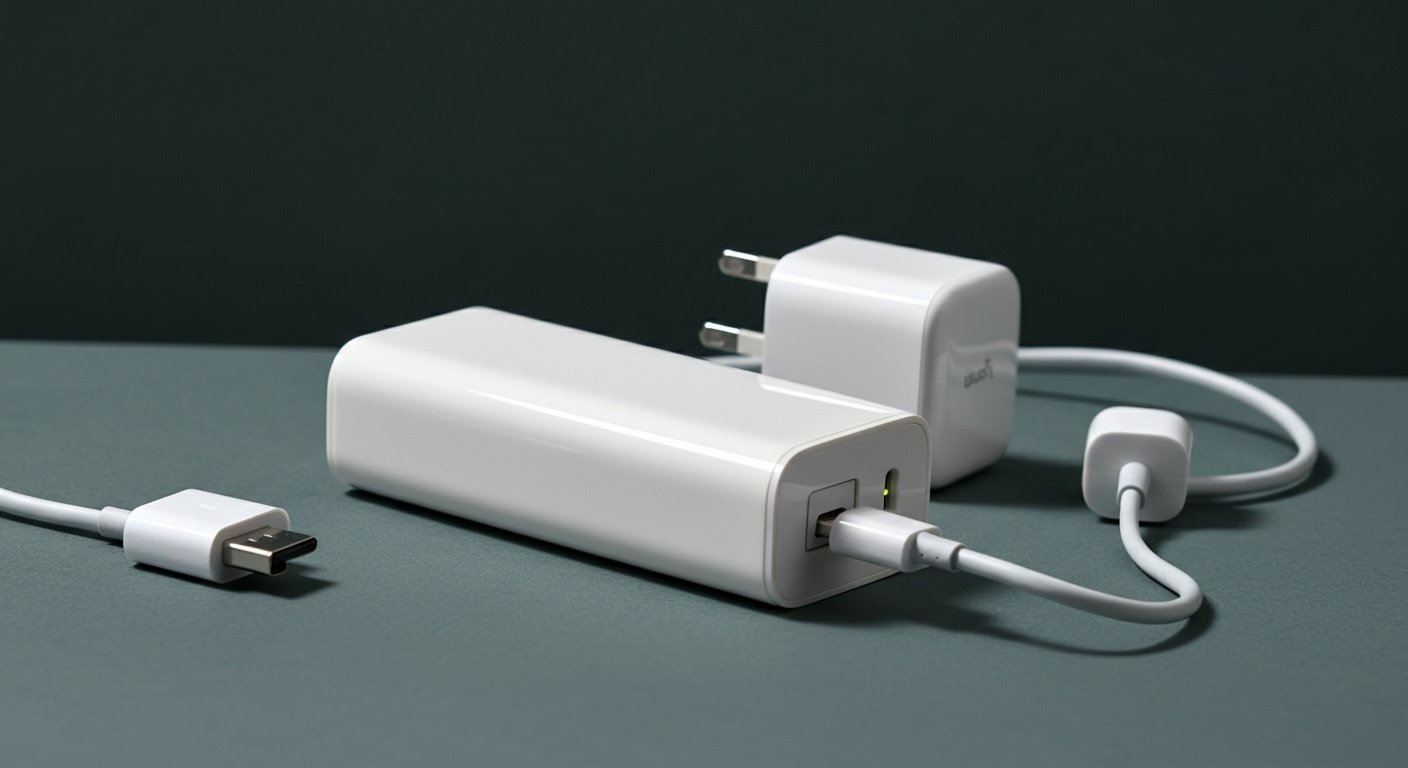
If you have ever pulled a charger out of your bag and found the cable bent, the plug loose, or your phone refusing to fast-charge, you are not imagining it. Chargers live hard lives. They get used in cars, tossed in backpacks, and left plugged in behind sofas. The fix is not buying the most expensive set. It is choosing the right basics and setting them up so they do not fail in the first month.
Start with one decision: USB-C as your home standard
Most newer phones and tablets now charge with USB-C, but many households still have a mix (older tablets, kids devices, headphones). Before you buy anything, list the ports you actually need. A simple rule: pick one home standard that covers your newest devices, then add a small adapter for the odd one out. When you keep buying random cables that sort of work, you end up with slow charging, overheating plugs, and mysterious disconnects.
Use a 30W or 45W USB-C charger with two ports, not three cheap ones
One solid two-port wall charger covers most households: one port for your main device, one for a second phone or a power bank. Two ports also keeps heat and throttling under control compared with bargain multi-port bricks. If you have a laptop that charges over USB-C, go 45W to 65W so you are not forcing everything to share a tiny power budget.
Buy one good cable length, then stop bending it
Most cable deaths come from the same place: the connector gets flexed thousands of times. Pick a length that fits how you actually charge. For bedside charging, a longer cable is fine. For bags and cars, shorter is better because it does not kink. Then add two tiny habits that dramatically extend cable life: do not pull by the cord, and avoid sharp bends at the phone end.
Heat is a cable killer, so keep chargers ventilated
Fast charging creates heat. Heat plus cramped spaces (under cushions, behind TV units) shortens the life of both the charger and cable. Give the charger some air, avoid covering it, and if a charger becomes too hot to touch, replace it. This matters even more in warm months, or if you charge in a parked car.
One local note: use a safe Type G plug adapter when needed
If you travel or you have imported chargers, make sure you are using a proper Type G adapter rated for the device. Loose travel adapters are a common source of sparking, overheating, and intermittent charging. A snug fit is not optional.
Quick shopping checklist
- One 30W or 45W USB-C wall charger with two ports from a reputable brand
- Two USB-C cables: one short (bag/car) and one long (bedside)
- One compact power bank for emergencies
- One quality Type G adapter only if you genuinely need it
If you build this small setup and stick to the basic handling habits above, you will stop replacing cables every month and your devices will charge faster and more consistently.