
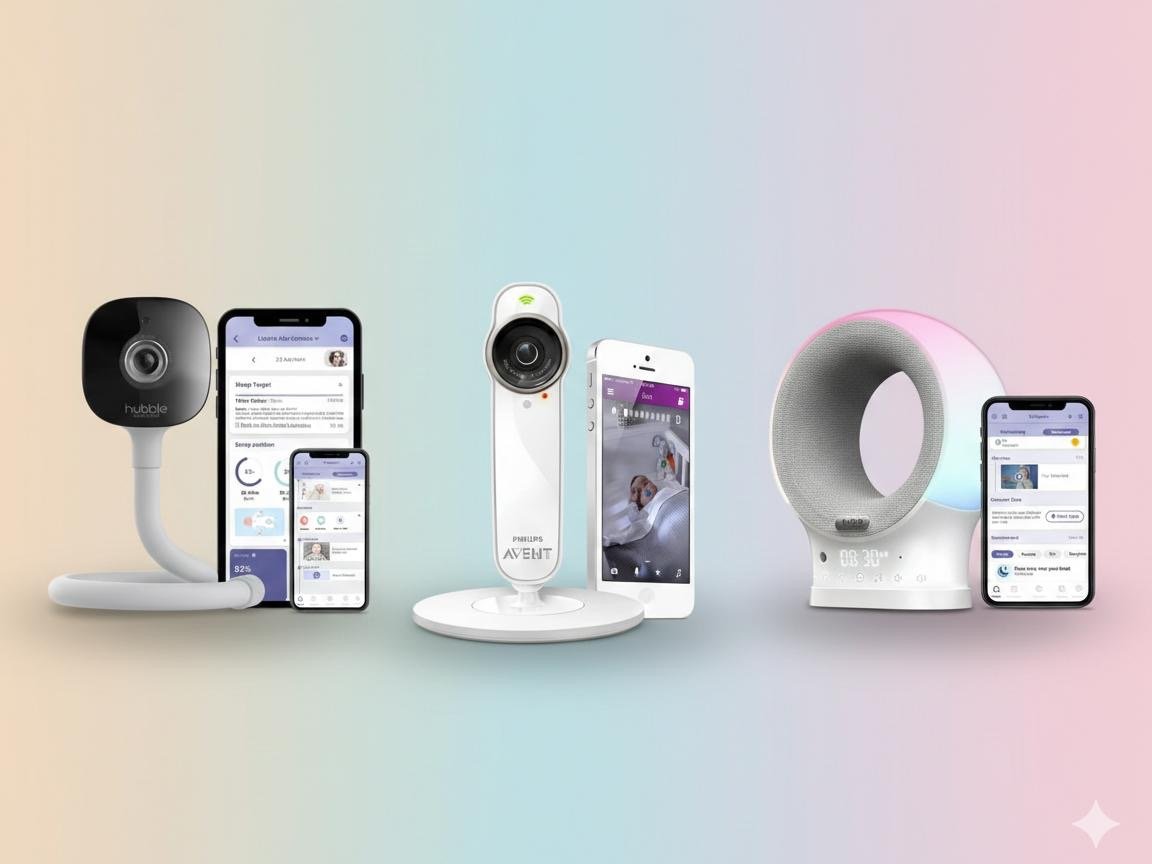
Why a baby monitor helps in Dubai homes
Dubai apartments and villas often have layouts where the nursery is far from common living areas, separated by hallways, doors, and sometimes entire floors. Air conditioning hums constantly, masking small sounds that might otherwise travel. A baby monitor bridges that gap, letting you hear or see your child without hovering in their doorway or leaving all the doors open (which defeats the purpose of room-by-room climate control). For parents who have finally gotten their baby to sleep and want to eat dinner, watch something, or simply sit in peace without that low-level anxiety of wondering if everything is okay, a reliable monitor makes a genuine difference. The technology has improved considerably in recent years, and even budget options now offer features that were premium extras not long ago.
Audio-only vs video monitors
Audio monitors are simpler, cheaper, and sometimes all you need. They pick up sounds from the nursery and transmit them to a parent unit, alerting you when your baby cries or fusses. Modern versions offer two-way talk so you can soothe from a distance, and some include sound-activated lights for situations where you cannot have the volume up. Video monitors add a camera so you can see what is happening, which many parents find reassuring. Is the baby actually sleeping or just quiet? Have they rolled into an awkward position? Are they standing in the cot looking ready to attempt an escape? Video answers these questions without you walking in and potentially waking them. Video monitors cost more and have more that can go wrong technically, but for many families the visual confirmation is worth the extra investment. Some parents start with audio and upgrade after realising they want to see, not just hear.
WiFi monitors vs dedicated systems
This is where personal preference and security concerns come in. WiFi-enabled monitors connect to your home network and let you view the feed on your phone from anywhere, which is convenient if you want to check in while at work or while a babysitter is home. However, anything connected to the internet carries some security risk, and there have been publicised cases of poorly secured baby camera feeds being accessed by strangers. If you go this route, use monitors from reputable brands that update their firmware regularly, set strong unique passwords, and enable two-factor authentication if available. Dedicated monitors with their own closed radio frequency do not connect to the internet and therefore cannot be hacked remotely. They have limited range compared to WiFi (typically enough to cover a large villa, but check specs) and you cannot view from outside the home, but they offer simpler setup and fewer security worries. Both approaches work well; it depends on what matters more to you.
Features that help and buying tips for the UAE
Night vision is essential unless you plan to leave a light on all night, and most video monitors now include it as standard. Temperature display in the nursery is useful given how variable AC can be between rooms. Battery life on the parent unit matters if you move around the house; look for units that last a full evening without charging. Pan and tilt on the camera lets you adjust the view without entering the room. For buying in the UAE, Mothercare and Babyshop stock popular brands like Philips Avent and Motorola, and staff can demonstrate features. Amazon.ae has wider selection and competitive prices, though you lose the ability to see the product first. Check that the monitor supports the local power supply (most do, but verify voltage if importing). If you live in a building with many WiFi networks, a dedicated non-WiFi monitor may give more reliable connection than a WiFi one competing for bandwidth. Whatever you choose, test it thoroughly before relying on it: run it overnight, check range in different parts of your home, and confirm the alerts actually wake you if needed.