
Dubai dust is just part of life. One windy day, an open balcony door, or a quick trip in and out of the car, and you can see it settling again on shelves and skirting boards. The frustrating part is that most people clean the same spots over and over, but the house still looks “a bit dusty” by the next afternoon. The fix is not cleaning more often. It is using a few tools that actually grab dust fast, without spreading it around.
The biggest mistake: dry wiping with the wrong cloth
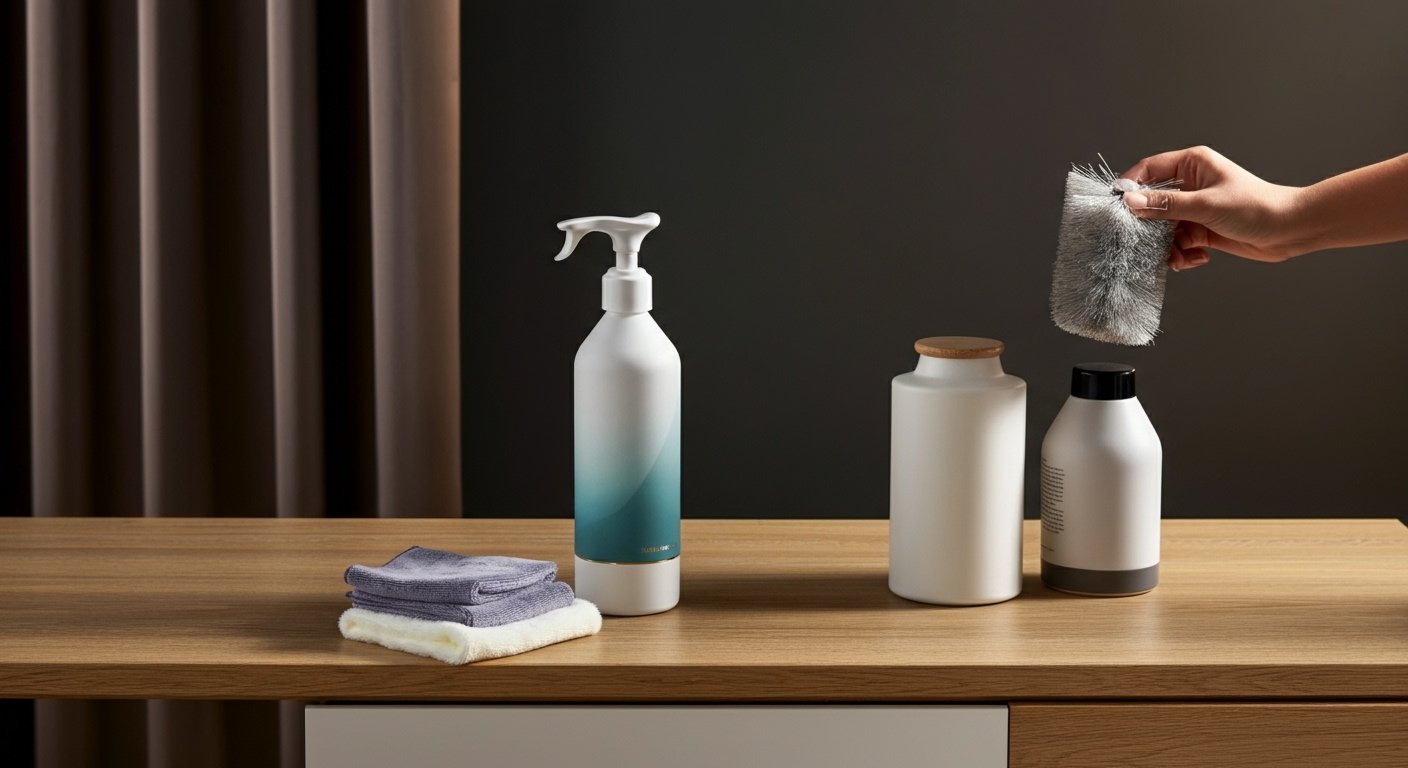
If you use a random old T-shirt or a paper towel, you often just move dust from one place to another. What works better is a microfiber cloth with enough “pile” to trap the dust. Keep two types: one slightly thicker cloth for surfaces (TV unit, shelves, side tables) and one thinner cloth for glass and mirrors. If you only buy one thing, make it a good microfiber cloth. It makes every other step faster.
The quick-dust routine that feels realistic on school mornings
When you are short on time, aim for the high-visibility zones: entrance table, sofa-side surfaces, and the TV area. Do not try to do every shelf. A simple trick is to fold your microfiber cloth into quarters. This gives you eight “clean sides”. You can wipe a surprising amount before you need to rinse it. In Dubai apartments where the living room gets used all day, this is the difference between a house that always looks hazy and one that looks calm with minimal effort.
The tool for corners you never want to scrub again
For skirting boards, window tracks, and the edge where the wall meets the floor, a small detailing brush is genuinely useful. Think of something toothbrush-sized, but slightly sturdier. You run it along the groove, then pick up the loosened dust with the cloth. This is especially helpful near balcony doors and windows, where fine dust tends to collect even if you keep the windows closed.
Why a handheld vacuum is worth it (even if you have a big one)
A full-sized vacuum is great for floors, but it is not what you reach for when you notice crumbs on the sofa, sand near the entrance, or dust on the stairs in a townhouse. A small handheld vacuum (or a vacuum with a detachable handheld unit) makes those tiny cleanups painless. The key is having the right attachment: a narrow crevice tool for car seats and sofa edges, and a soft brush for vents, keyboards, and delicate surfaces. If it is heavy or annoying to empty, you will avoid using it. Convenience matters more than raw power for day-to-day.
The “dusty air” feeling: what helps without getting weird about it
Sometimes the problem is not just dust you can see. It is that slightly heavy, stuffy feeling that shows up after a few days of closed windows and strong AC. The practical fix is a simple schedule: clean your AC vent covers when you can reach them safely, change or wash filters if your unit allows it, and keep soft furnishings (curtains, cushion covers) on a regular wash cycle. You do not have to obsess. You just want to remove the dust traps that keep re-seeding the room.
For families: the two “sand control” spots that save your floors
If you have kids, the sand problem is usually not the whole house. It is two zones: the entrance and the car. Put a small lidded bin or basket by the door for “outside stuff” (shoes, beach toys, random pebbles), and keep a simple car tidy kit (small brush and a handheld vacuum, or even just a cloth and a bag for rubbish). If you control those two places, the rest of the home stays cleaner without you feeling like you are constantly mopping.
What to look for when buying dust tools on a budget
Microfiber cloths: choose ones that feel dense, not thin and shiny. Buy a few so you can rotate them.
Dusters: skip the fluffy feather style. Look for electrostatic or microfiber heads that can be washed and reused.
Brushes: a small detailing brush plus a sturdier cleaning brush covers most jobs.
Handheld vacuum: pay attention to weight, how easy it is to empty, and whether attachments are actually included.
What to avoid (because it creates more work)
Single-use wipes for everything: they get expensive, and they can leave residue on glossy surfaces.
Over-scented sprays: they do not remove dust, they just mask the smell of a closed-up room.
Doing the floors first: if you dust after you vacuum, you will end up doing the floor again. Dust first, then vacuum or mop.
Quick FAQs
How often do I need to dust in Dubai?
It depends on your building, balcony use, and how often you open windows. A fast wipe of the main surfaces a couple of times a week is usually more realistic than a “deep clean” plan you will never follow.
Do air purifiers replace cleaning?
No. They can help, but you still need to remove dust from surfaces and soft furnishings. Think of them as support, not a replacement.
What about villas and townhouses in the UAE?
The same tools work, but you will appreciate having duplicates: one cloth and brush upstairs, one downstairs, so you are not carrying cleaning supplies around the house.